How Many Cocktails Do You Actually Need Per Person at a Party?
The Host's Guide to Getting Your Drinks Quantities Right.
Are you planning a private party in Brighton, Hove or wider Sussex?
It's one of the most Googled questions in event planning, and yet most of the answers out there are vague, contradictory, or written by someone who has clearly never actually hosted a party. Too little and your bar runs dry at 9pm, not a great look.
Too much and you're left with enough leftover cocktail ingredients to open your own bar, also not ideal.
After planning drinks for several private events across Sussex, we've landed on a formula that works. Here it is:
The Basic Formula
As a starting point, plan for:
2 cocktails per person in the first hour
1.5 cocktails per person for every hour after that
So for a 4-hour party with 30 guests, the rough calculation looks like this:
First hour: 30 x 2 = 60 cocktails
Remaining 3 hours: 30 x 1.5 x 3 = 135 cocktails
Total: approximately 195 cocktails
That's your baseline. But the honest answer is that the formula is just the starting point, the real number depends on several factors that shift things significantly in either direction.
5 things you, as the client, to consider when estimating drinks per head
Time of Day
Your Guest Profile
Event Type
Non-Drinkers & Mocktails
Welcome Drinks
——
1. Time of Day
A daytime garden party runs very differently to an evening celebration. Guests at a lunchtime event tend to pace themselves more naturally — lighter serves, longer gaps between rounds. An evening party, particularly one with a dance floor or live music, will run through drinks considerably faster.
Daytime event: reduce the formula by around 20%
Evening event: stick to the formula or add a small buffer of 10%
Brunch or afternoon tea style: plan for 1–1.5 drinks per person per hour, the occasion naturally lends itself to slower pacing
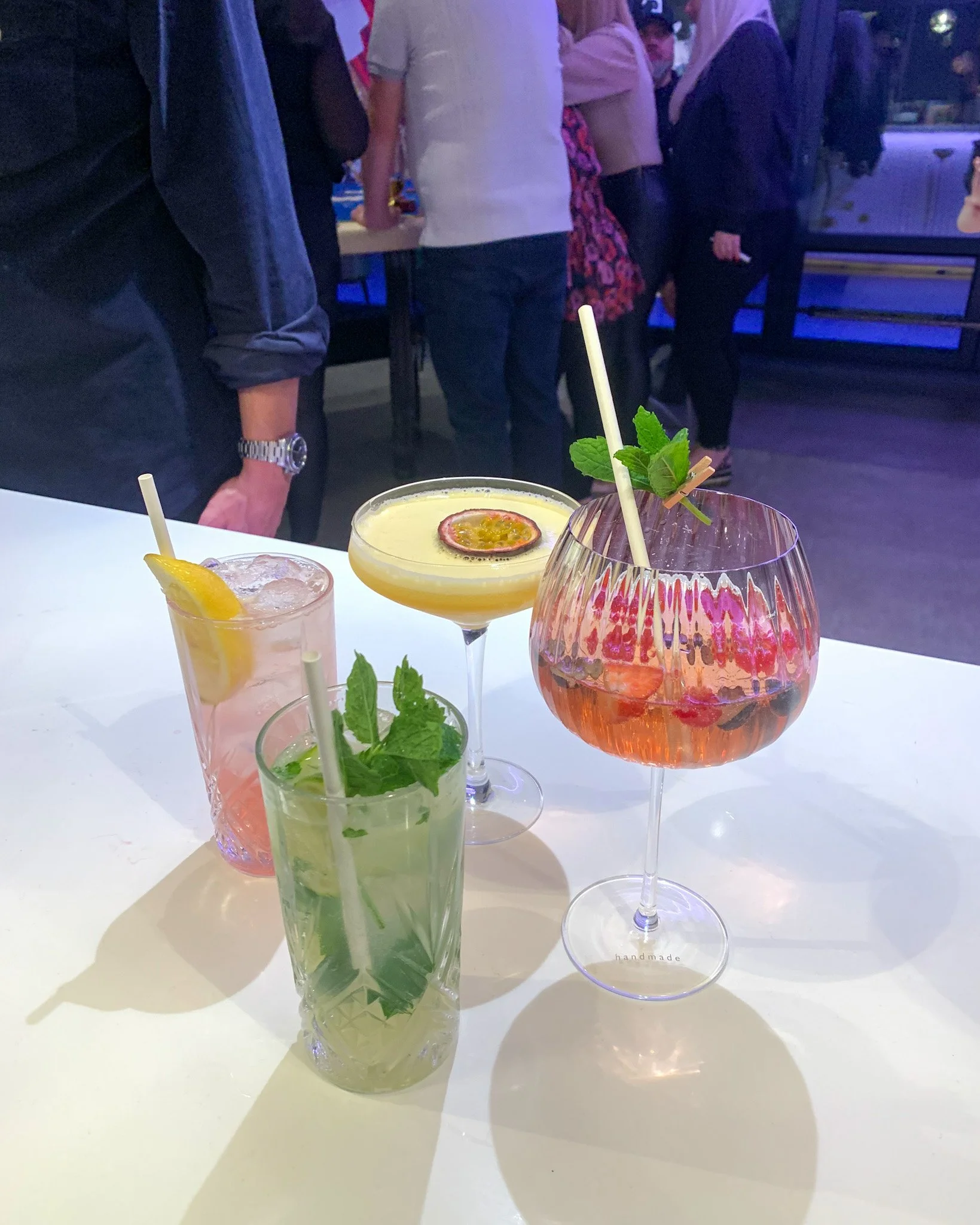
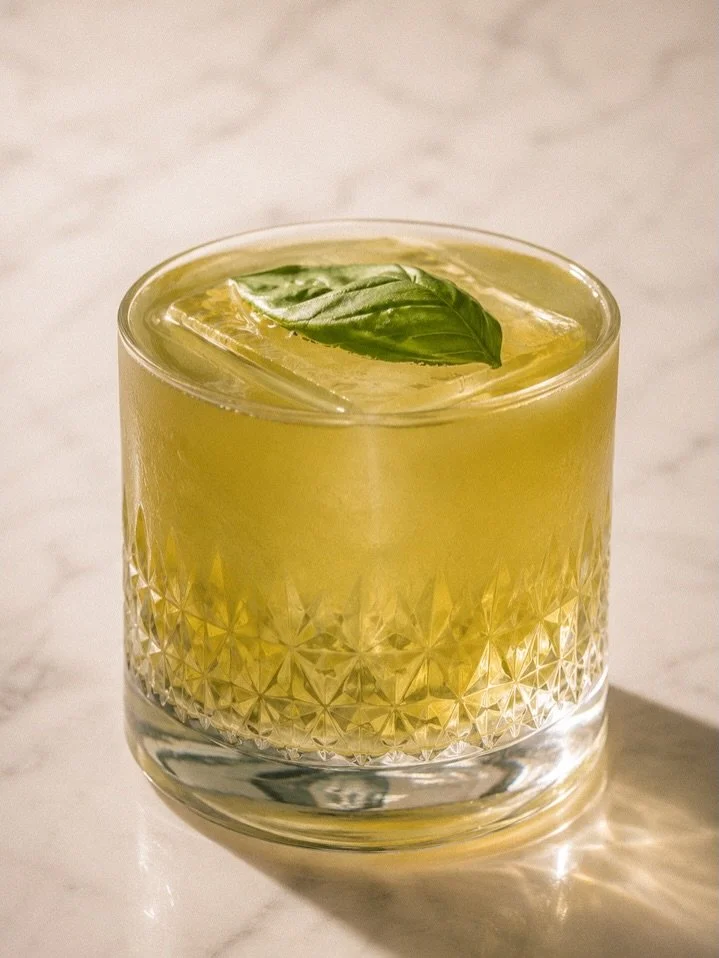
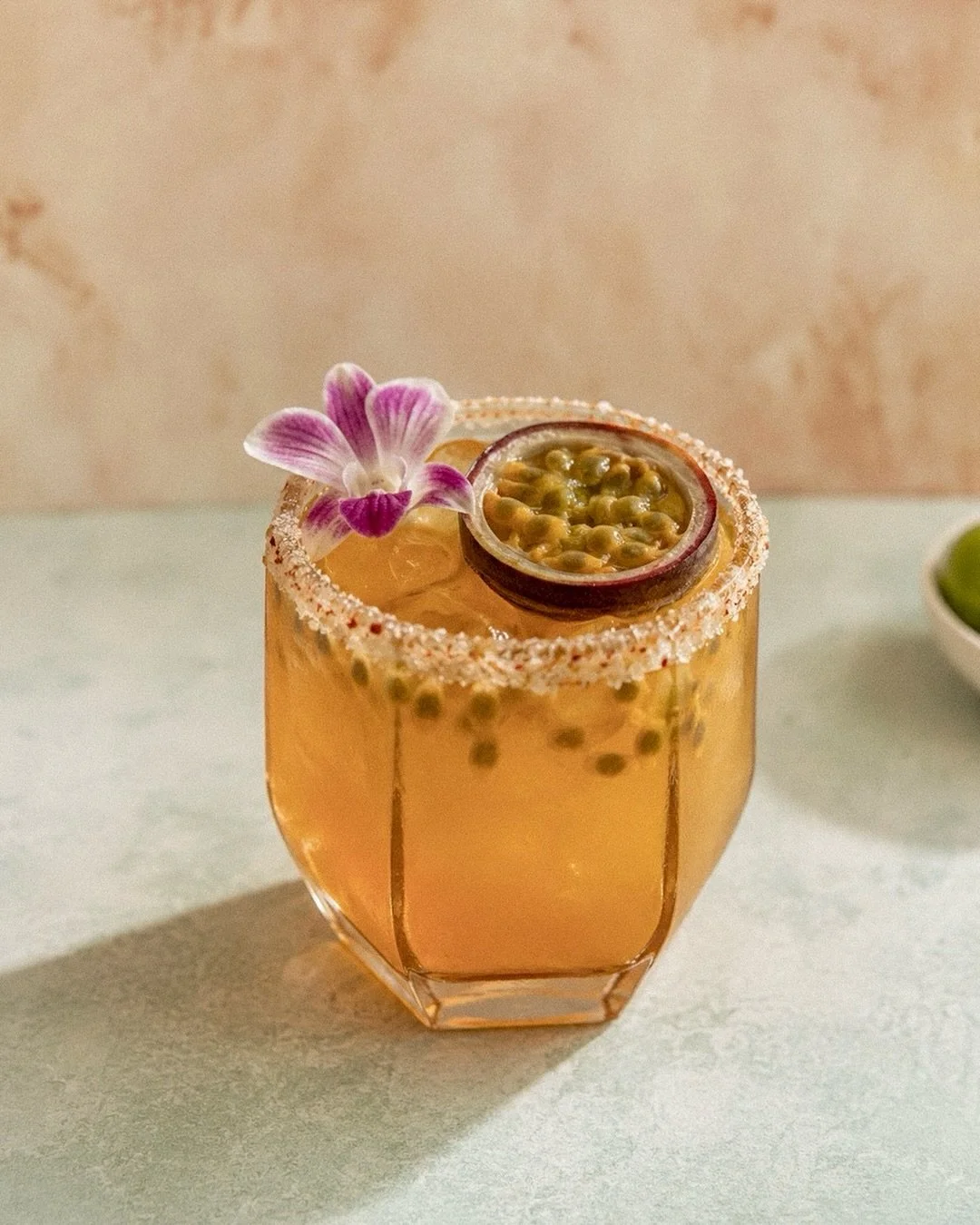
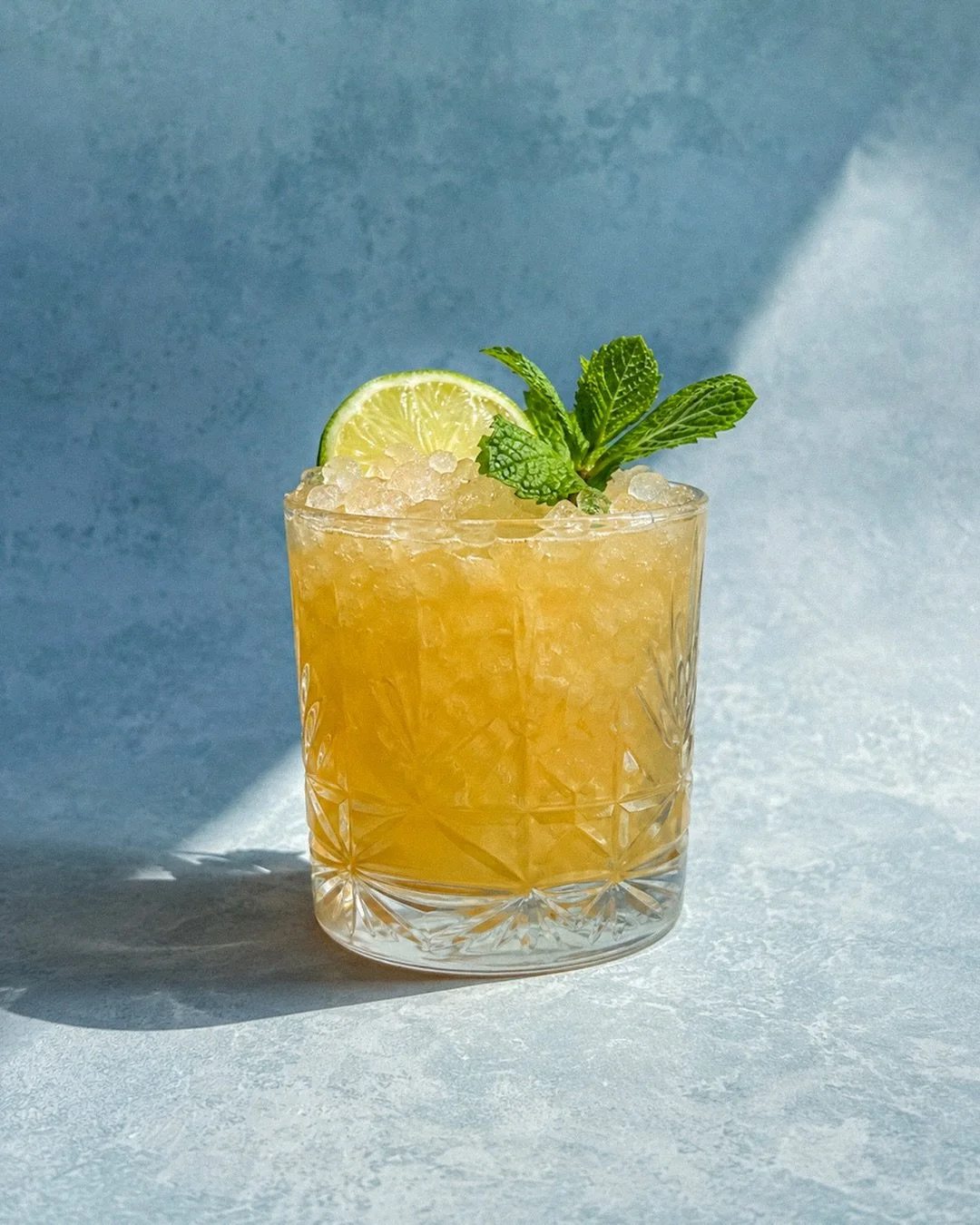
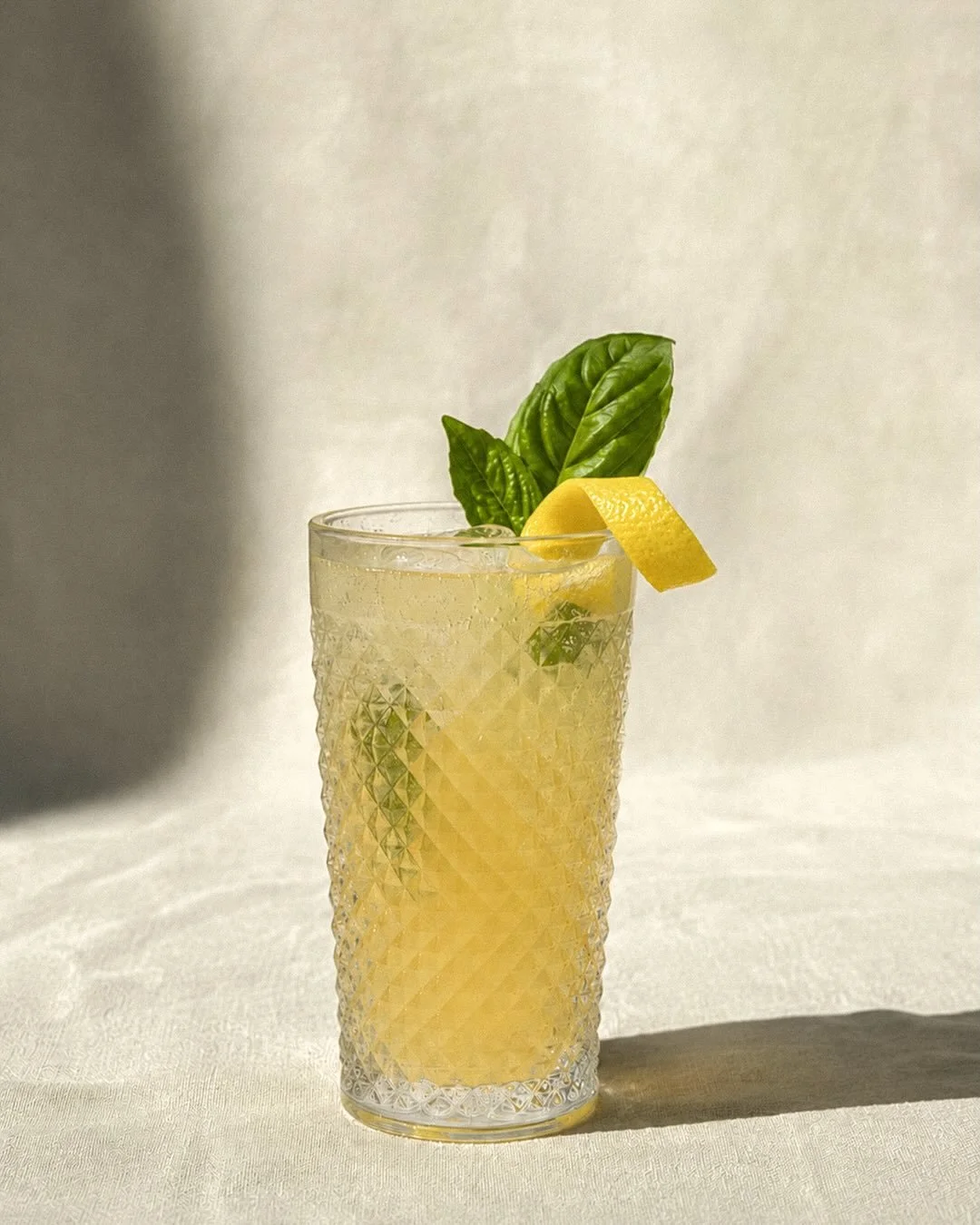
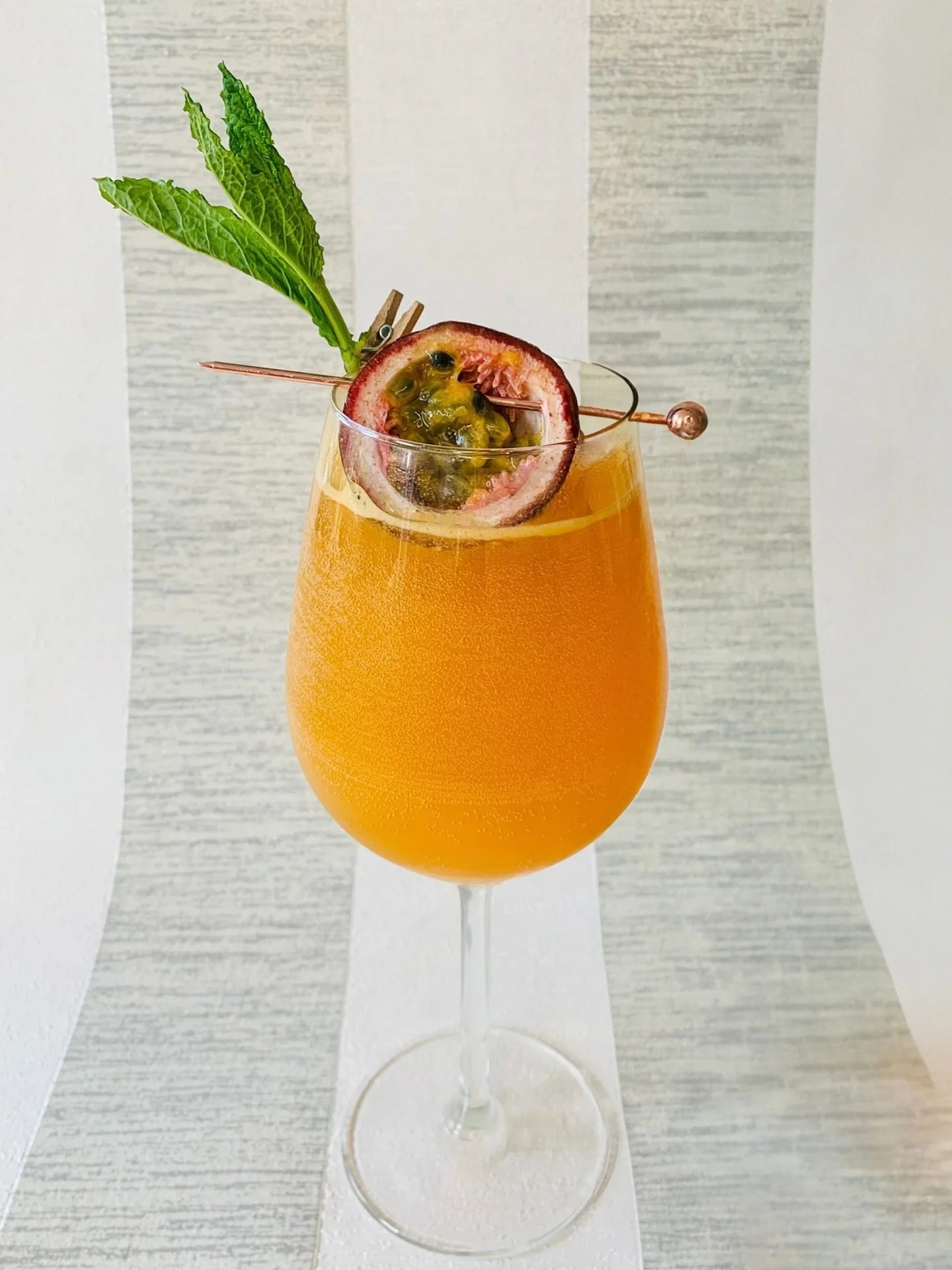
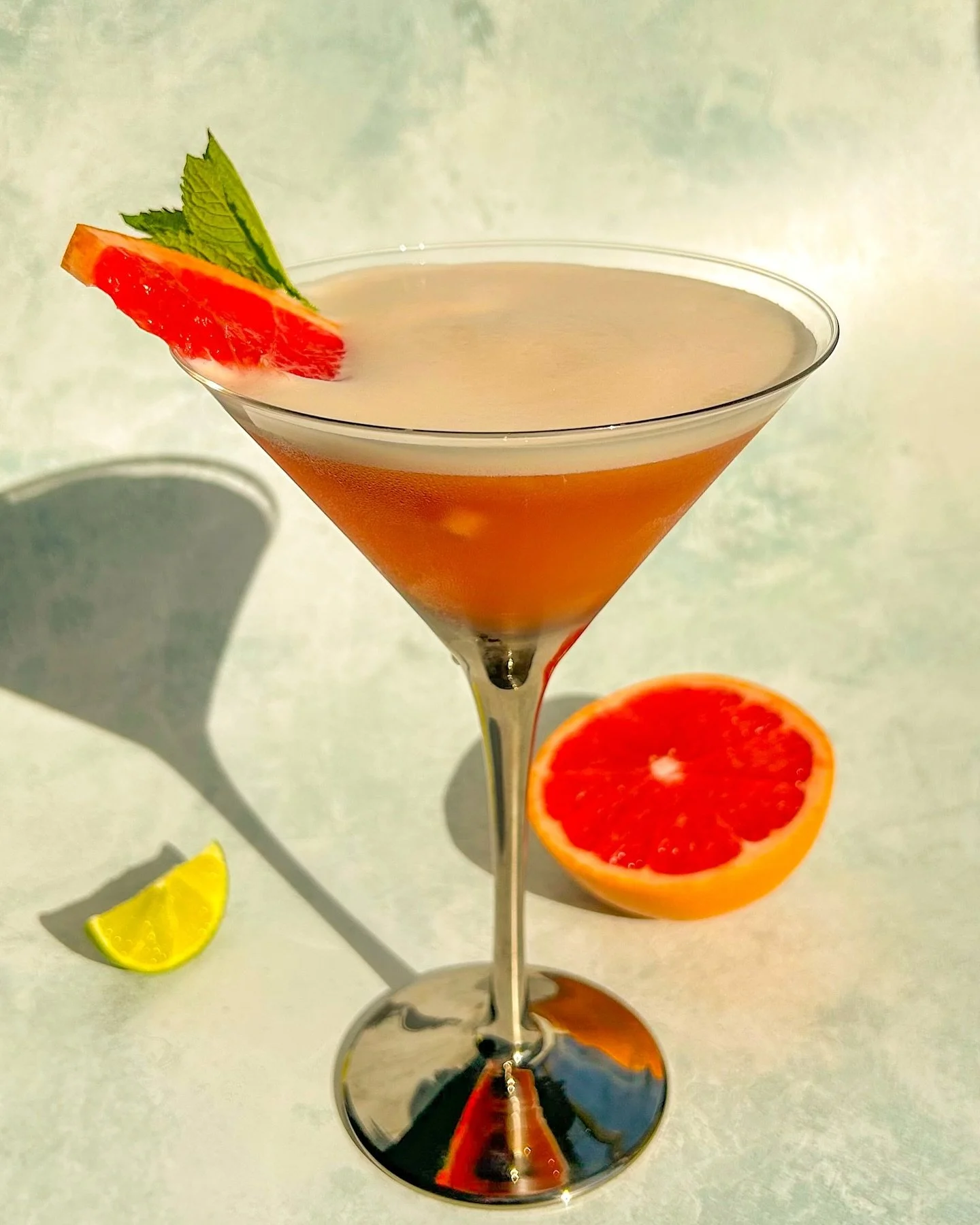
A curated menu of a Passionfruit Margarita, Lychee Ginger Collins, Mojito, and a Berry & Bloom Cocktail
⸻
2. Your Guest Profile
A hen do of 20 guests in their 30s will consume drinks very differently to a 50th birthday with a mixed age range. It's worth being honest with yourself about your crowd.
Younger, party-focused groups: add 10–15% to your total
Mixed age groups:stick to the baseline formula
More relaxed, food-focused occasions: (dinner parties, supper clubs): reduce by around 15–20%, as guests naturally drink more slowly when food is the focus
⸻
3. Event Type & Occasion
The nature of the event matters enormously. A wedding drinks reception where guests are mingling on arrival drinks very differently to a seated dinner, or a garden party where people are moving freely all afternoon.
Cocktail reception only (no sit-down meal): guests drink faster, add 10–15%
Drinks alongside a sit-down meal: guests naturally pace themselves, reduce by 10–15%
All-day event: factor in a natural lull mid-afternoon where consumption drops, then picks up again in the evening
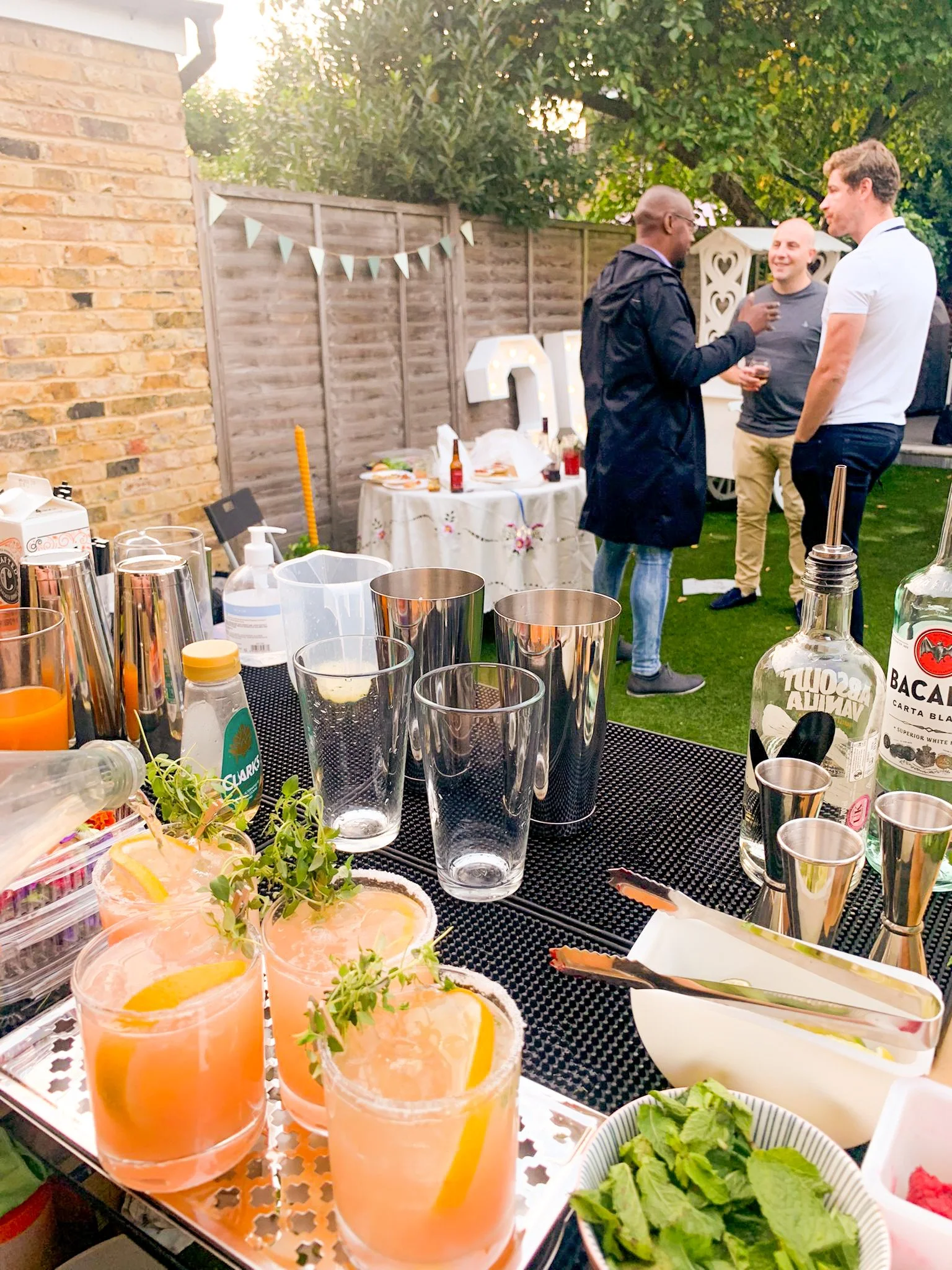
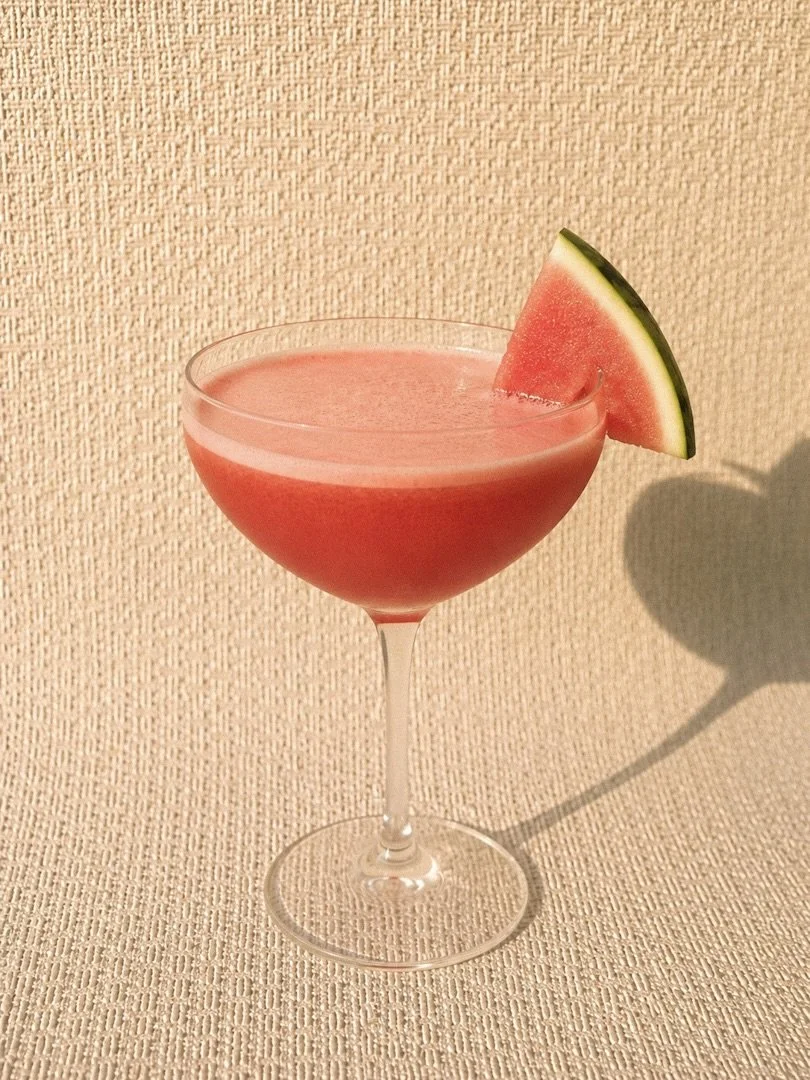
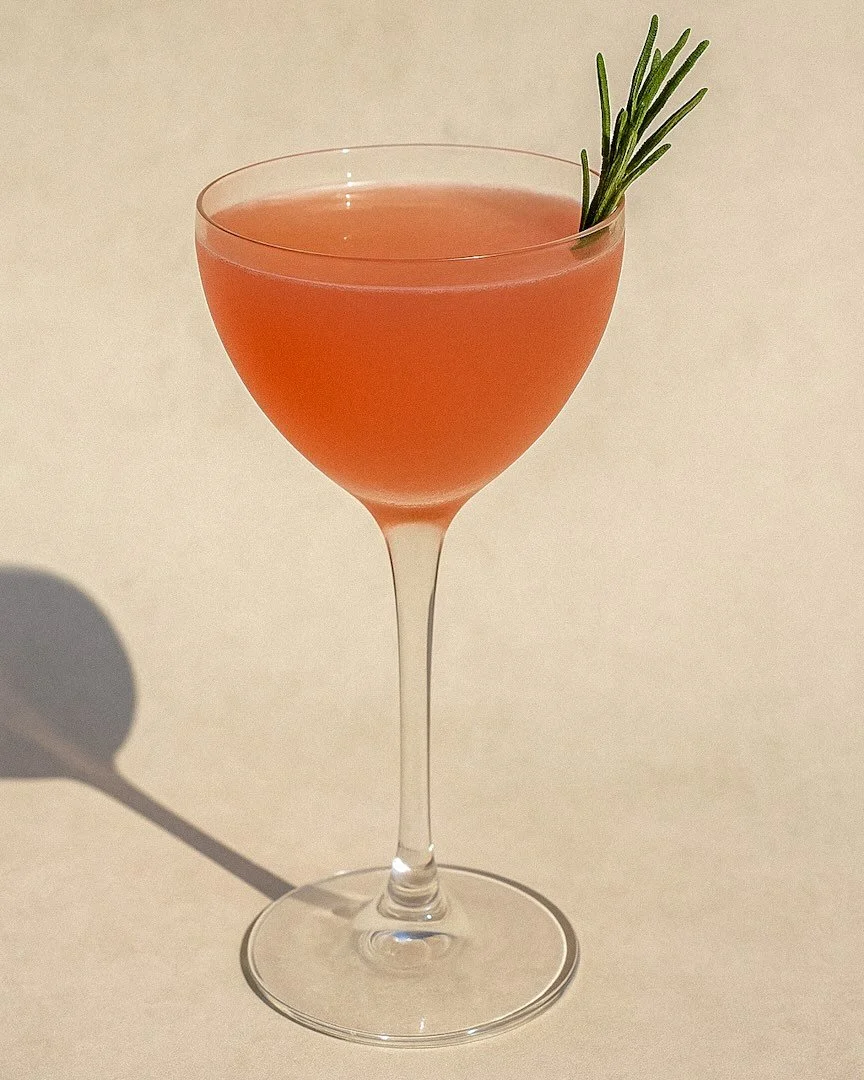
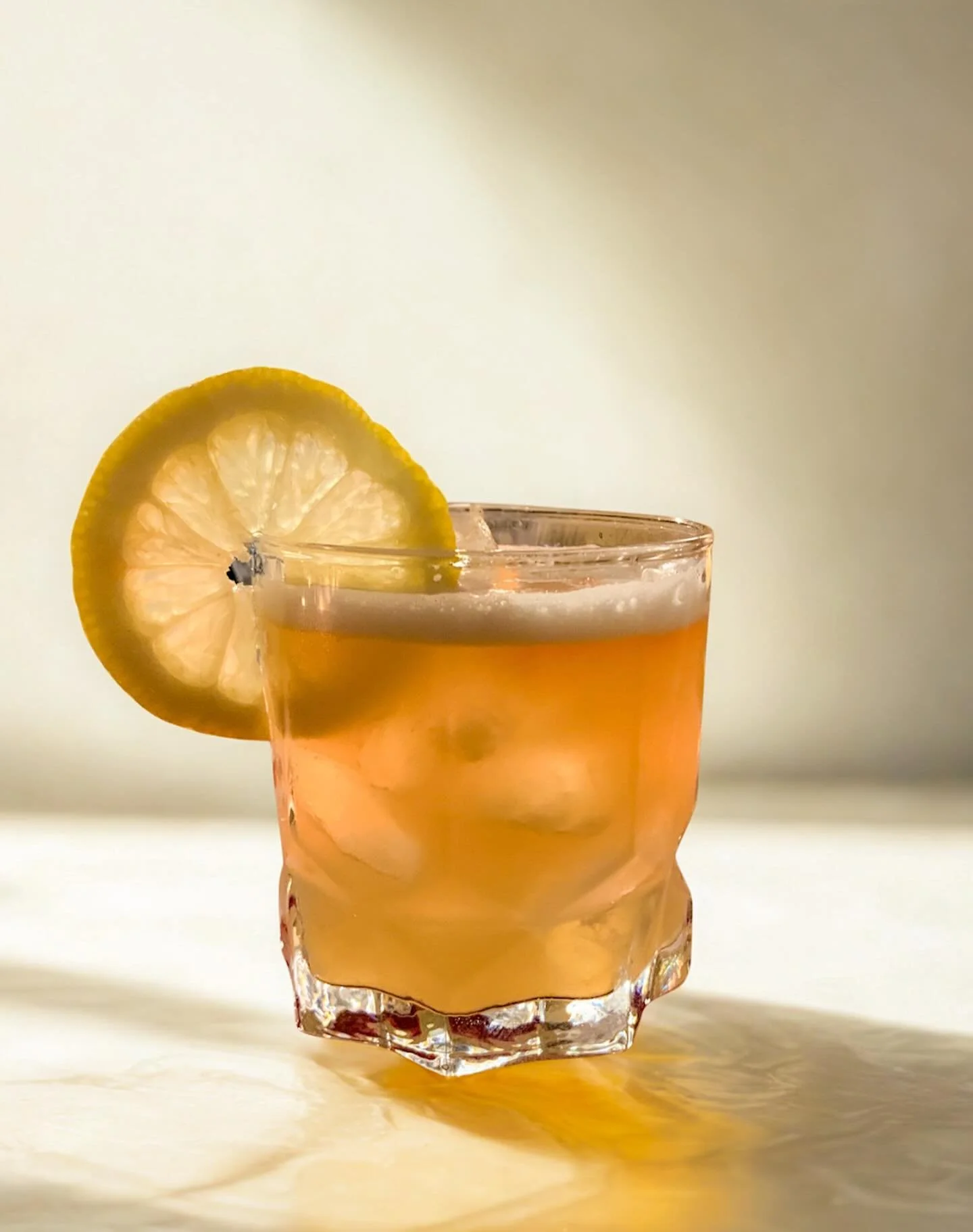
An intimate garden party featuring Paloma cocktails being served to a group of 25 guests.
⸻
4. Non-Drinkers & Mocktails
This is the factor most hosts forget to account for, and it can throw the numbers off significantly. If a meaningful portion of your guest list doesn't drink, whether that's for personal, health, or cultural reasons, your cocktail quantities should adjust accordingly.
A practical approach:
Estimate your non-drinking guest countas accurately as you can
Remove those guestsfrom the cocktail formula entirely
Plan 2–3 mocktails per non-drinking guest per hour: non-drinkers often consume soft drinks faster than drinkers consume cocktails, so don't underestimate this
Make sure your mocktail offering is genuinely considered, a great mocktail menu means non-drinkers feel equally catered for, which always improves the atmosphere of the whole event
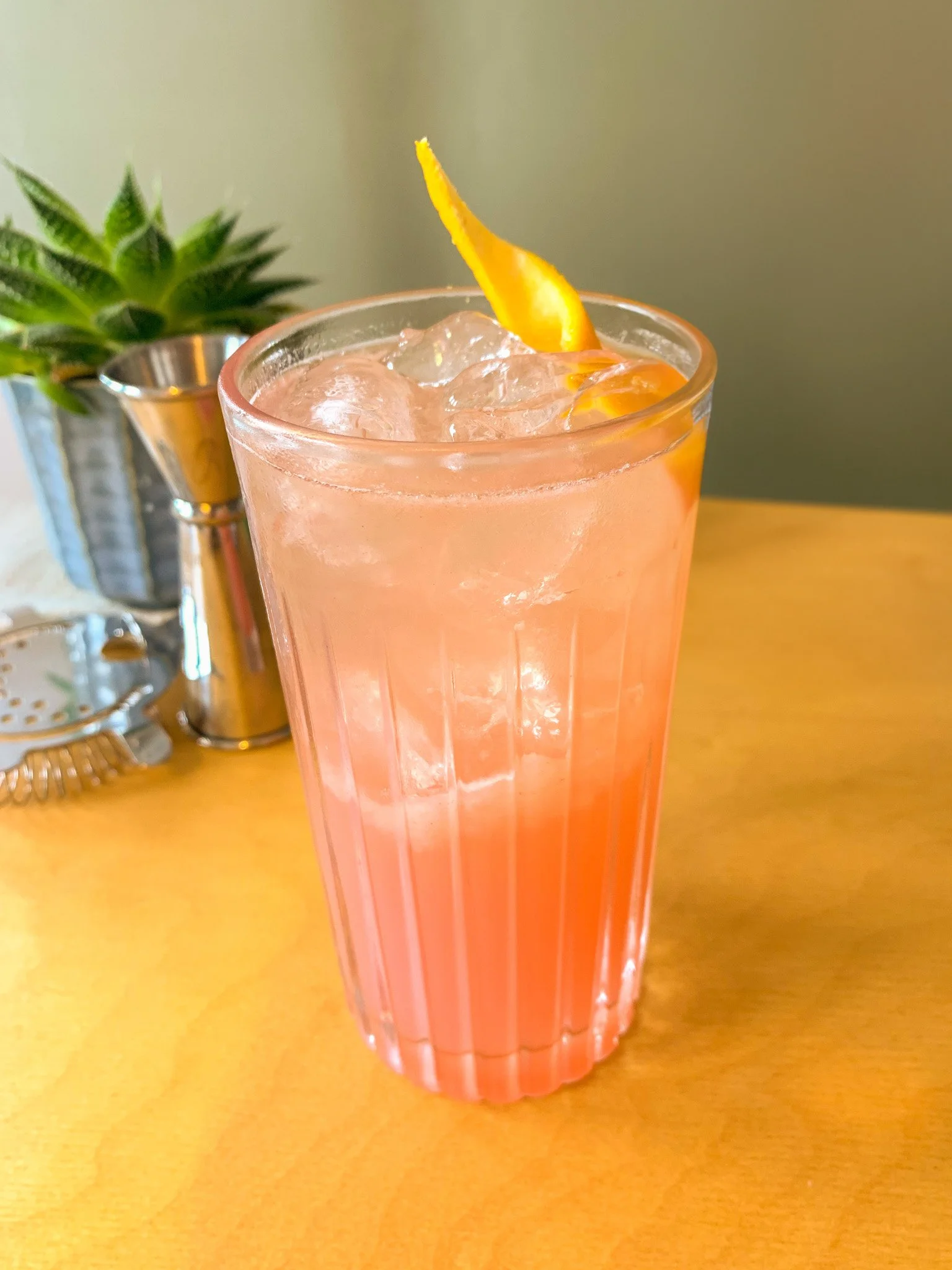
An Eastern Bloom Mocktail
⸻
4. Welcome Drinks
If you're planning a welcome cocktail on arrival, and we'd always recommend it, factor this into your total rather than treating it as a separate calculation. A welcome drink is simply the first cocktail of the evening, and it should be counted as part of your overall formula.
What it does change is the pace of the first hour. A pre-poured welcome drink on arrival means your bar isn't immediately overwhelmed the moment guests walk in, it buys your bartender valuable time to get into a rhythm before the requests start flowing.
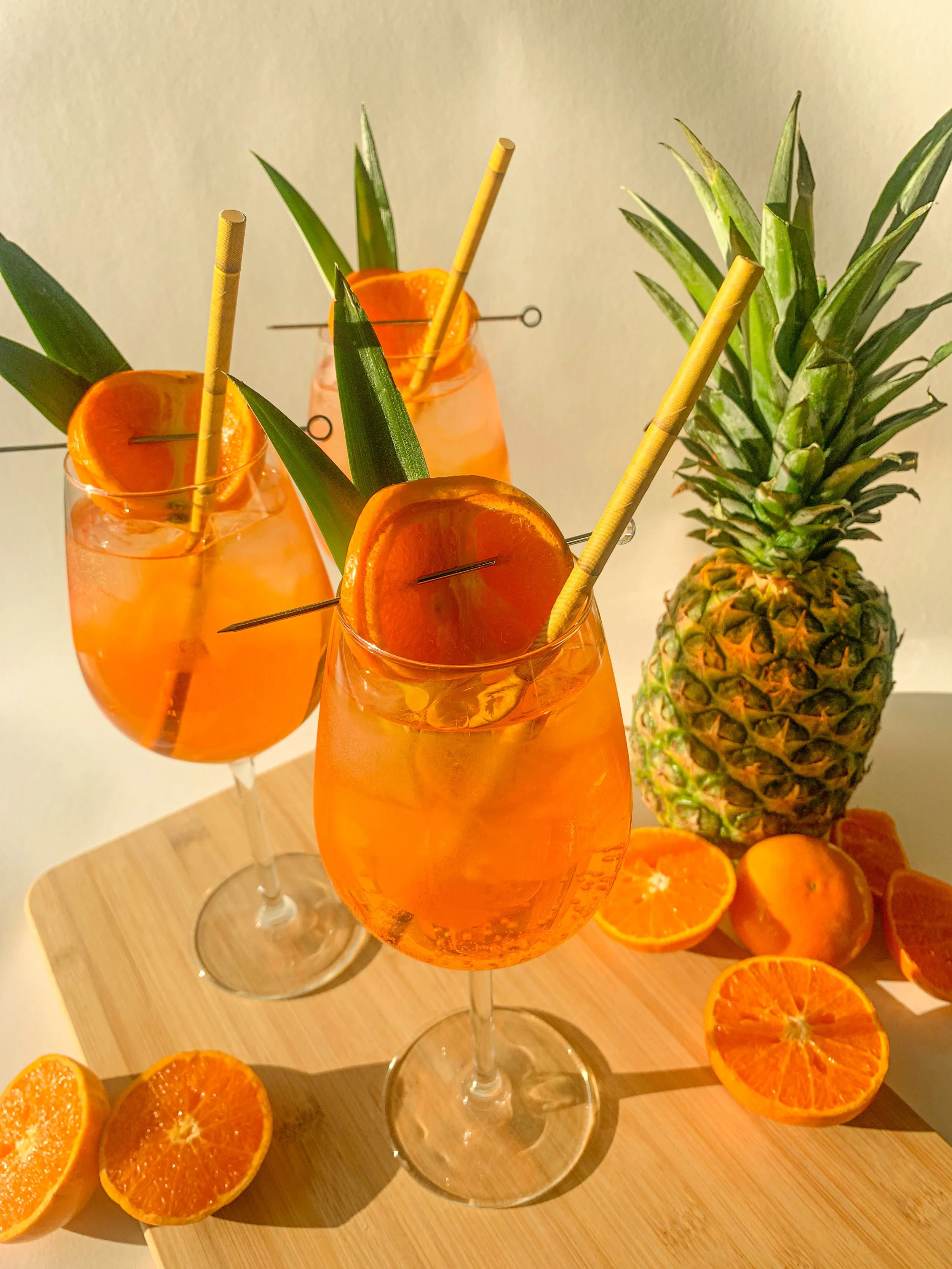
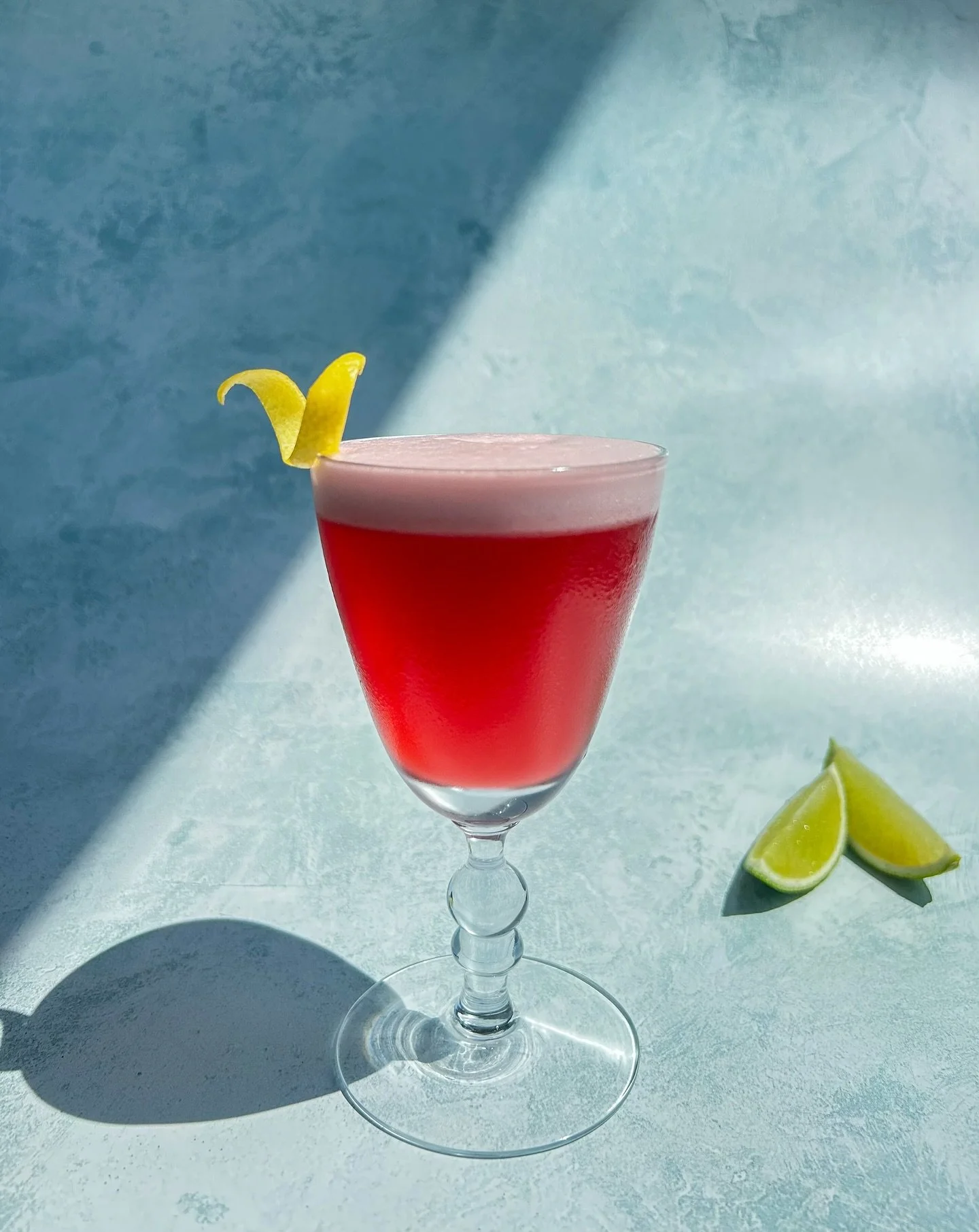
An Aperosé Spritz Cocktail
⸻
The Buffer Rule
Whatever number you land on, add a 10% buffer. Cocktail quantities are not an area where running short is acceptable, the cost difference between "exactly right" and "comfortably enough" is minimal, and the experience difference is enormous.
Running dry at a party is one of those things guests remember long after they've forgotten everything else that went right.
What We Do for Our Clients
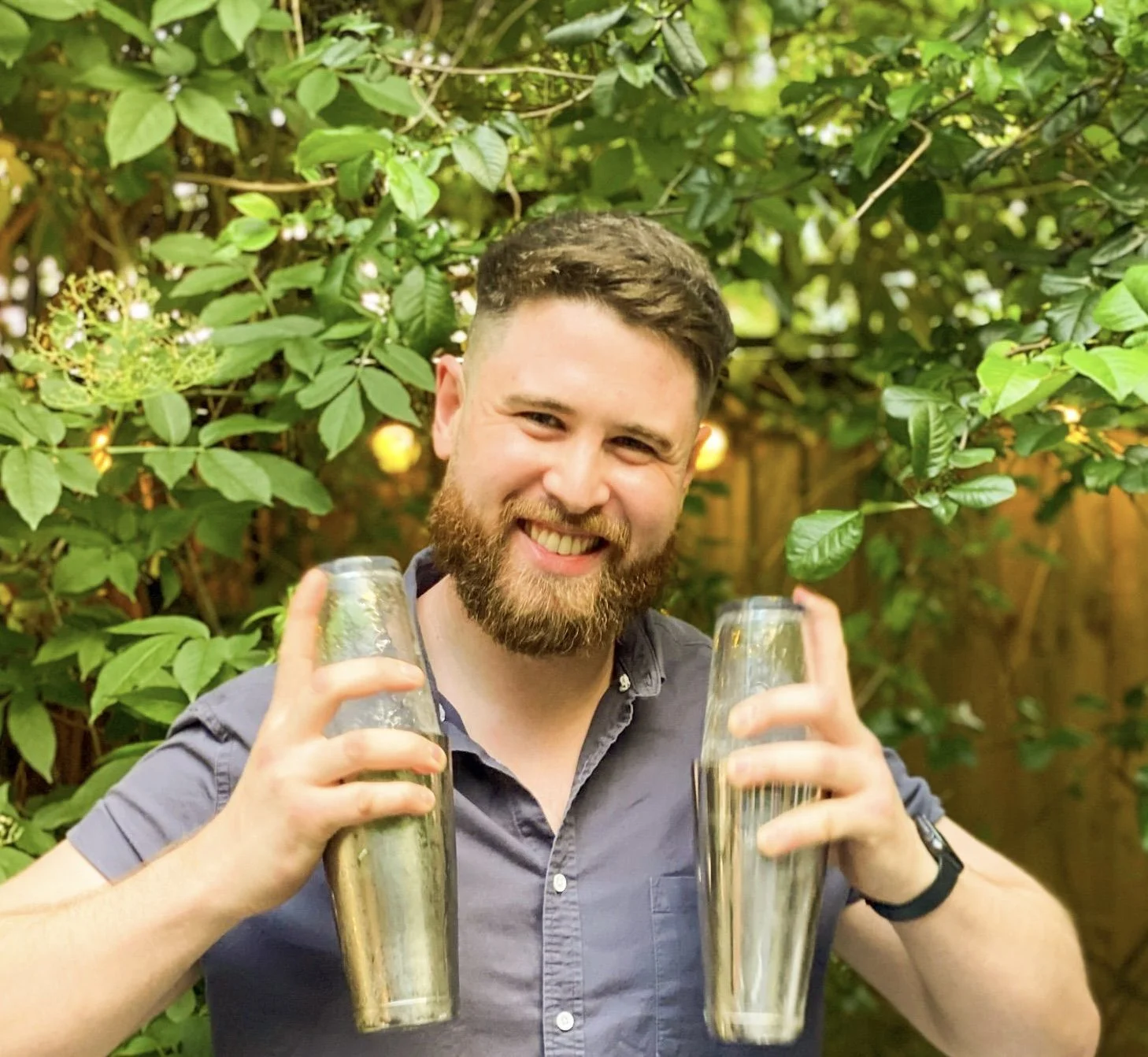
When you book The Cocktail Tribe for your event, calculating quantities is part of the conversation we have with every single host in advance. We factor in your guest count, event type, time of day, non-drinkers, and the specific menu we've built together, so you never have to guess, and you never run short.
It's one of the things our clients consistently tell us takes the most stress out of the planning process, handing that calculation to someone who has done it hundreds of times, rather than working it out from a vague formula found online at midnight.
——
Want more hosting inspiration? Read our guide on Hosting Tips for more ways to elevate your next celebration.
Need cocktail ideas to match? Explore our Popular Cocktails menu for guest-favourite serves.
Ready to bring it to life? Enquire about Weddings, Private Events, Brand-Led across Sussex.
Premium cocktail service across:
East & West Sussex | Tailored menus | Professional Mixologists
Get in Touch